Can ChatGPT Wallet buy from your store? A five-question quiz
OpenAI's agents can now pay at checkout. Five quick questions on what your store sees, what blocks them, and what to fix by Thursday.


ChatGPT Wallet launched on November 13. It lets ChatGPT’s agents pay on a store’s own website for a shopper, and neither the agent nor the store ever sees the shopper’s real card number (OpenAI’s announcement).
For now it’s a small crowd: ChatGPT Pro subscribers in the US, using OpenAI’s dots.
But it lands the same week most stores turn their Black Friday defenses all the way up.
So here’s a quiz. Five questions, two minutes. Keep score.
1. What does your checkout receive when an agent pays?
- A. The shopper’s real card number
- B. OpenAI’s company card
- C. A stand-in number from the card network
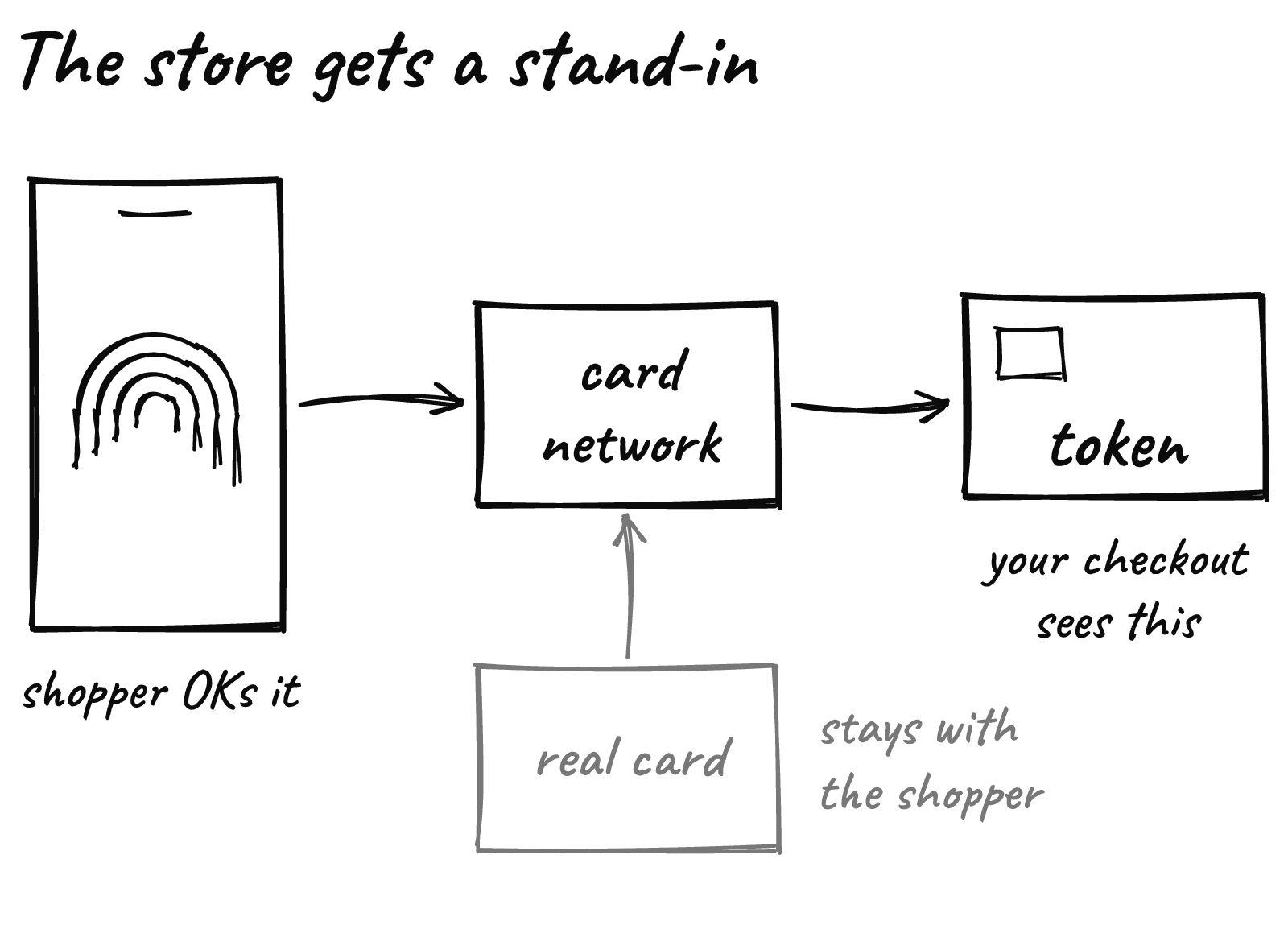
Answer: C. The shopper checks the items, the total and the card, then approves with Face ID or a fingerprint. The card network then issues a payment token, a substitute for the real card.
To your checkout it still looks like a card: a number, a security code, an expiration date. The charge lands on the shopper’s own card.
2. Who handles the return?
- A. You
- B. OpenAI
- C. The card network
Answer: A. The shopper buys from you directly. OpenAI says the business keeps control of pricing, fulfillment, returns and customer service.
So an agent order is just an order. Your return window, your shipping promise, your support inbox. If any of those are fuzzy on your site, this is a good week to make them plain.
3. Your bot protection is on its strictest Black Friday setting. What happens to a paying agent?
- A. It gets waved through
- B. It may get turned away
- C. It gets a discount
Answer: B. OpenAI’s own launch post warns that “some sites may unintentionally block purchases” made this way. Its fix: set your CDN or firewall to recognize signed requests, using a standard called Web Bot Auth.
Think of a signed request as an agent showing ID at the door. The signature is cryptographic, so a scraper can’t simply borrow ChatGPT’s name. Cloudflare lists ChatGPT agent among its first signed agents.
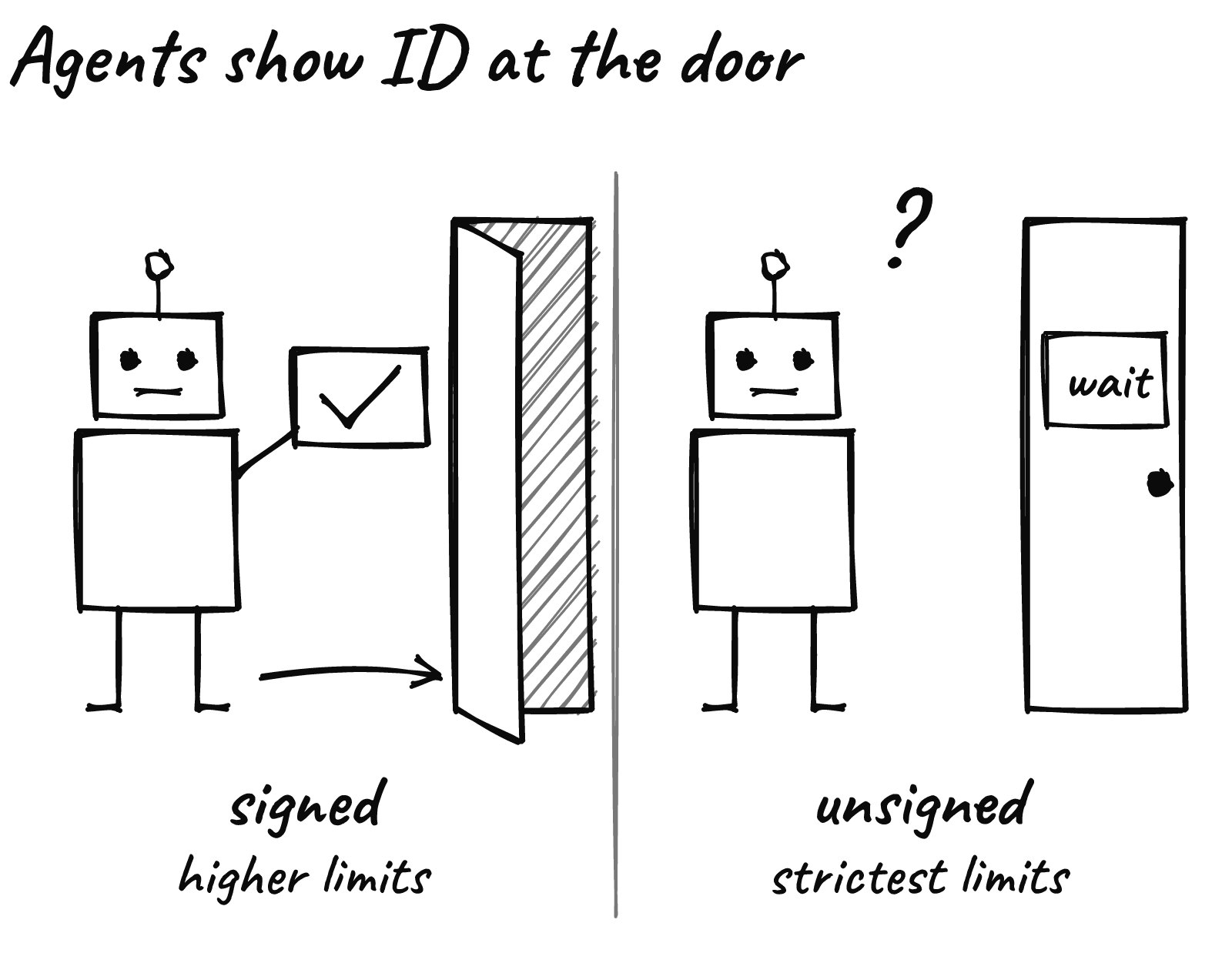
If your store runs on Shopify’s own pages, Shopify sorts this at its edge. Since May it gives signed bots and agents higher limits, and unsigned ones the strictest (Shopify’s changelog).
If you run Magento, a headless build, or your own firewall in front of the store, that setting is yours to check. Same for any extra bot or country blocking you switched on for the sale.
4. A fast checkout from a device you’ve never seen. What does your fraud filter do?
- A. Ships it
- B. Calls the shopper
- C. Maybe declines a real order
Answer: C. OpenAI says payment and risk systems have to recognize genuine agent purchases. It names payment and fraud companies working on this, among them Forter, Riskified, Signifyd and Stripe.
If your rules lean on how a person usually shops, from a familiar device at a human pace, a real agent order can look like a bot.
Email your fraud app today. One line: how do you score agent orders paid with a network token?
5. How many of your Black Friday shoppers will pay this way?
- A. Most of them
- B. A small group, for now
- C. None, ever
Answer: B. OpenAI is starting with limited availability so it can learn from early use. Don’t rebuild your checkout for it this week.
The shoppers who start in AI tools are another story. Adobe forecasts that clicks from AI tools to US retail sites will rise 130% this season, with the biggest jump on Thanksgiving (Adobe’s forecast).
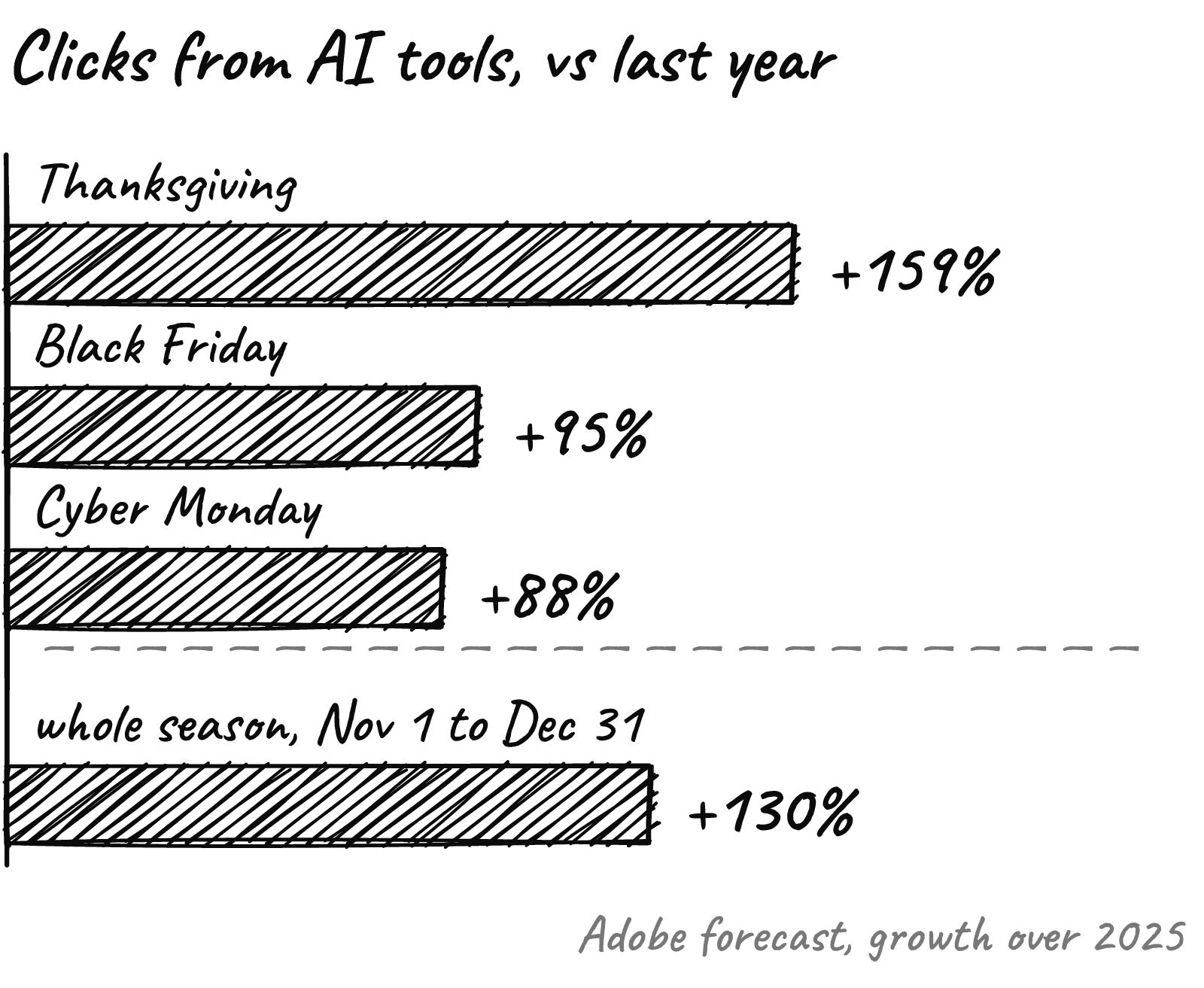
Those are people clicking through, not agents paying. But they’re the same shoppers an agent like this one works for.
Five right? Now check the store
Knowing how it works is half of it. The other half is making sure your store lets it work. The bigger agent setup can wait for January. These four can’t.
Before Thursday:
- Ask whoever runs your CDN or firewall whether signed agents get past your Black Friday rules. On Shopify, check any bot or country blocking you added.
- Email your fraud app or payment provider the one-line question above.
- Claim your business in ChatGPT and upload a product feed with current prices and stock, the first step OpenAI lists for stores.
- On December 1, pull the orders your fraud filter canceled or held over the long weekend and read ten. Real customers in there means a rule to loosen.
Few agents will knock this Black Friday. Make sure the door opens for the ones that do.
Want a second look at your checkout before Thursday? Send us your store URL and within 24 hours we’ll send back a free report on your speed, checkout and conversion.